
Emotional Intelligence
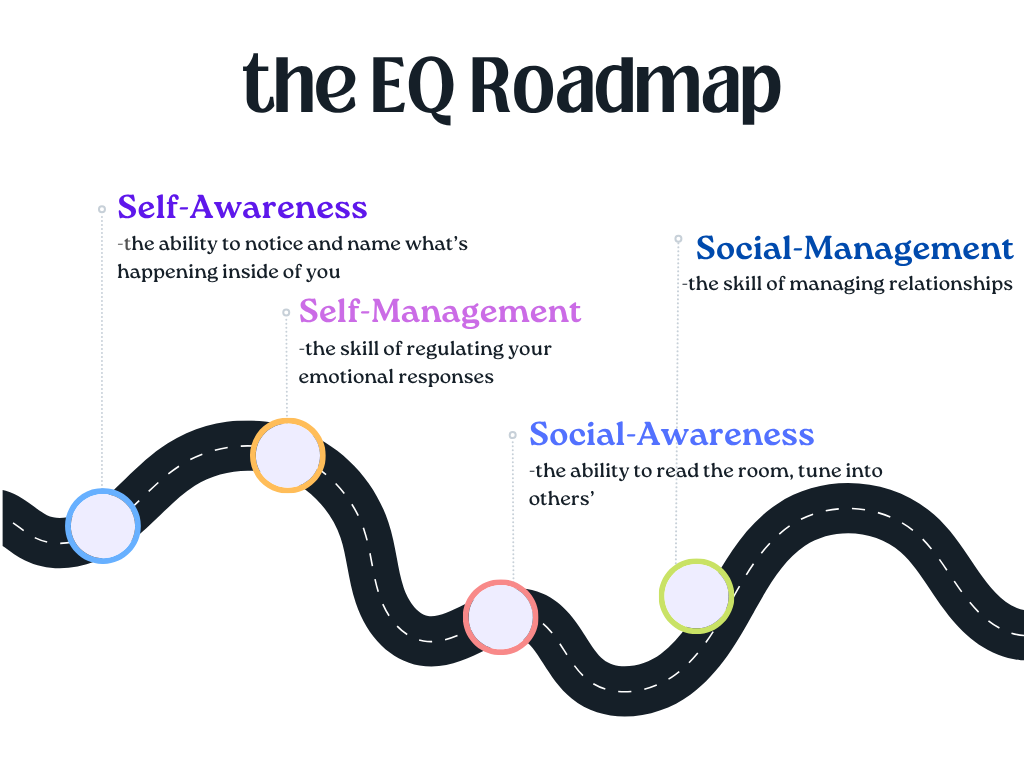
Emotional Intelligence is…
The practice of recognizing and understanding your own emotions, the emotions of others and using that awareness to effectively manage your behavior and your relationships.
Emotional Intelligence Form
Key competencies assessed in a 360 degree leadership assessment
- Executive’s strengths and demonstrated leadehip behaviors
- Opportunities for growth and professional development
- Formal and informal / individual and organizational communication strategies
- Inclusiveness and commitment to diverse perspectives
- Managing self / self-regulation and the ability to deal with problems constructively
- Composure under pressure and in challenging circumstances
- Listening skills and observable listening behaviors
- Offering helpful feedback and providing effective coaching to others
- Receiving feedback, new ideas, and constructive advice
- Effectiveness in motivating others and inspiring team performance
- Controlling organizational flow and implementing performance management systems
- Planning and setting attainable and measurable goals with clarity
- Problem-solving approaches and decision-making effectiveness
- Effective leadership across varying environments and team dynamics
Benefits of Emotional Intelligence
Self-Insight
EIQ helps you recognize your emotional foundation and see how it affects your thoughts and actions. Being self-aware allows you to discover your strengths and talents. For example, you might discover that you are good at problem-solving, creativity, or building strong relationships with colleagues.
Stress Management
Workplace stress is common and often indicates growth and pursuing new goals. However, it can also lead to negative behaviors and lower productivity. Emotional intelligence training and feedback can help with this. Employees with high emotional intelligence can manage their reactions to others' feelings, control their negative emotions, take responsibility for their actions, set realistic expectations, and build positive relationships. One clear advantage of emotional intelligence training is that it helps teams work better together under stress.
Improved Relationships
Emotional intelligence helps improve relationships at work. It allows people to understand each other's feelings better. This understanding leads to better leadership, communication, and fewer conflicts. Employees with high emotional intelligence are more confident and build trust and respect. They can collaborate more effectively with their teams. As a result, a positive work environment develops. Strong emotional ties can increase job satisfaction and productivity.
Empathy
Empathy is the ability to understand and share the feelings of others. This skill allows individuals to connect emotionally and respond to the needs of their colleagues. People with strong empathy can recognize when others are upset, frustrated, or need support. They can offer help and comfort in a way that builds trust and communication. Empathy contributes to better teamwork and fosters a supportive work environment. As a result of EIQ training, employees feel valued and understood, leading to increased morale and productivity.
Professional Growth
Emotional intelligence contributes to professional growth and competency. It helps individuals better understand themselves, allowing them to identify areas for improvement. People with high EIQ are more adaptable. They thrive in changing environments and handle challenges effectively. Positive relationships lead to better teamwork and collaboration. As emotional intelligence develops, so does career advancement. Employees can lead projects, inspire others, and drive results. This skill set is valuable for long-term success in any profession.
DISC Workshop
10 Key Benefits of the DISC Assessment
Understanding the advantages of the DISC assessment can benefit both personal and professional environments:
01
Workplace Culture
Using the DISC fosters a positive workplace culture by helping employees gain insight into each other’s strengths and communication styles, boosting collaboration and fostering a common language. By encouraging an everything DISC workplace, all team members are encouraged to use their knowledge of DISC to adapt to others’ communication styles.
02
Help Improve Communication
The DISC assessment enhances communication by enabling individuals to adapt their styles based on DiSC’s four main behavioral types, reducing misunderstandings.
03
Career Development
Beyond hiring, DISC supports career growth by offering a valuable tool for identifying areas for development and aligning employees with suitable career paths. The model, based on psychologist William Moulton Marston's work, helps individuals understand their behavioral tendencies and strengths. By matching these traits to roles and responsibilities, employees can better navigate their career trajectories.
04
Enhanced Teamwork
DISC boosts team performance by promoting understanding of each member's role, ensuring individual strengths complement one another. Team members gain insight into their own and others' roles, recognizing how their unique abilities and challenges contribute to overall group dynamics and effectiveness.
05
Improve Self-Awareness
By taking the DISC assessment, individuals gain a deeper understanding of their behavior and areas for improvement, which promotes personal growth.
06
Leadership Development
Effective leadership requires communication, rapport-building, and influence. Understanding your DISC style and adapting to the styles of your team members is key. Learning your team's communication styles, personality types, and working styles makes you a more effective leader.
07
Management Training
DISC aids in refining management skills by helping leaders understand both their styles and those of their teams, leading to more effective decision-making. Managers who understand their own DISC style can understand their team members better. This understanding leads to better decision-making and team leadership.
08
Conflict Resolution
The DISC helps identify and address the root causes of tension, enabling constructive conflict resolution by finding common ground.
09
Better Sales and Customer Service
DISC profiles are great for sales and customer service teams. They help these teams better understand and adapt to different personalities. Knowing their own styles and those of their audience helps make real, human connections with prospects and customers.
10
Effective Recruitment and Talent Management
Using DISC in recruitment helps match candidates to roles that fit their natural behaviors. It also identifies areas where coaching and training can support professional growth.

Life & Personal Development Coaching
Meaningful & Memorable
As a highly experienced Business Coach, My Small Business Name knows how to build a program and experience that provides exactly what you and your team needs for success. Book your Executive Coaching Session today to learn more.